
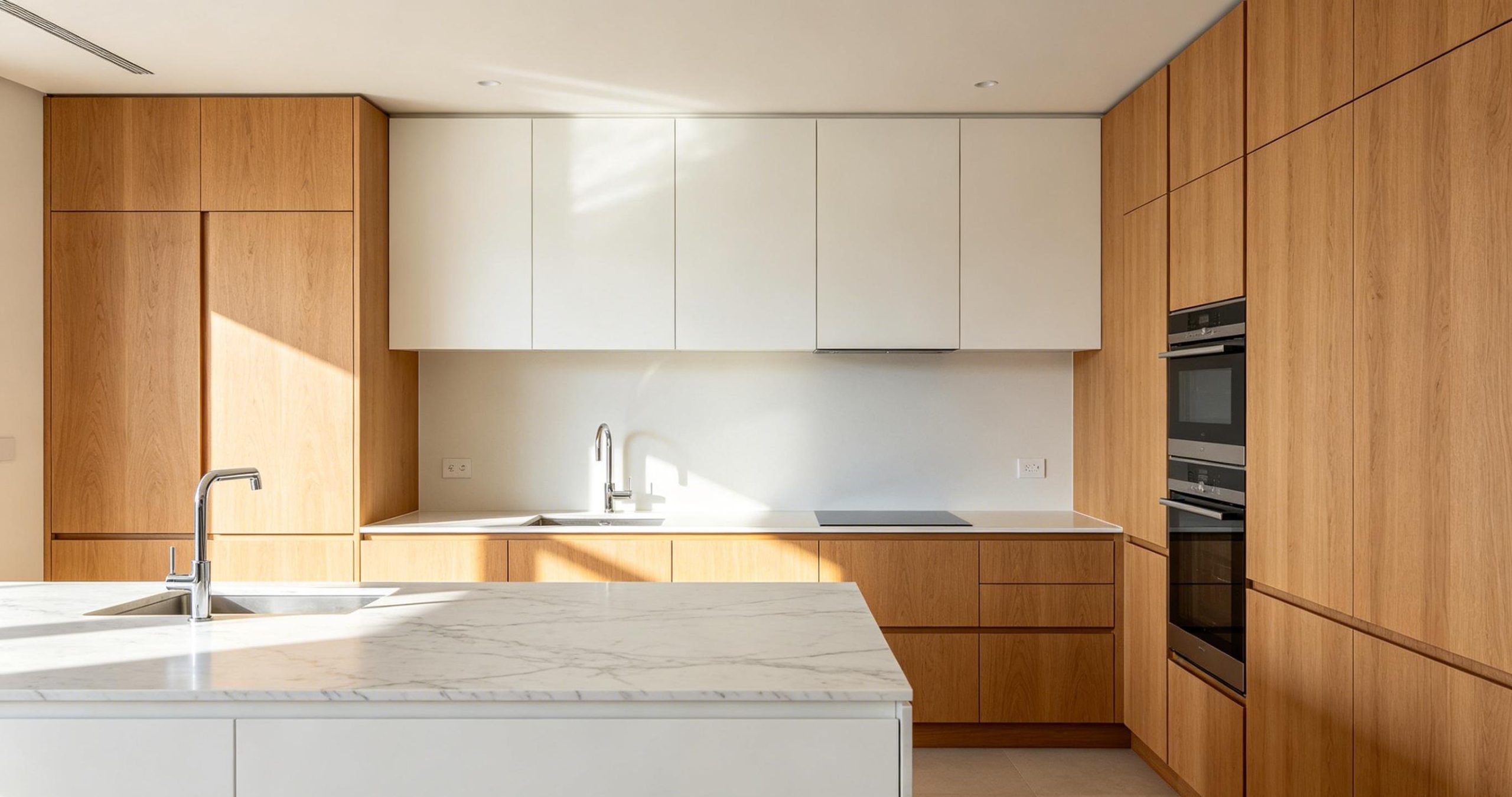
1.lntroduction
In modern home renovation, custom cabinets have long been a central element of kitchen design. They not only serve practical functions such as storage and food preparation but also directly impact the health and safety of the home environment. However, the custom cabinet market is currently plagued by widespread chaos. Most traditional cabinets suffer from common issues such as formaldehyde levels exceeding safety standards, resulting in a pungent odor; disorganized spatial planning; and low storage efficiency. These problems not only endanger the health of family members but also lead to a significant waste of kitchen space. To create custom cabinets that are both eco-friendly and practical, one must look beyond mere aesthetics and focus on quality control from the very beginning. This article will comprehensively break down the logic behind custom cabinet design from three core dimensions—selection of eco-friendly materials, user-friendly spatial design, and precision manufacturing processes—to help you avoid renovation pitfalls and achieve a perfect balance between environmental sustainability and practicality.
2.Problems of traditional custom cabinets
2.1 Low environmental grade of boards, high risk of formaldehyde emission
To cut costs, traditional cabinets are often made from E1-grade or even lower-grade engineered wood panels. These panels are manufactured using large amounts of formaldehyde-containing adhesives, which continuously release harmful gases such as formaldehyde and benzene over time. The high-temperature, high-humidity environment of a kitchen accelerates the volatilization of these pollutants, making it highly likely to cause health issues such as respiratory discomfort and skin allergies. This poses a significant risk to vulnerable groups, including the elderly and children.
2.2 Unreasonable design, low utilization rate of kitchen space
Many traditional kitchen cabinets feature cookie-cutter, standardized designs that fail to take into account the homeowner’s kitchen layout and cooking workflow. This results in problems such as cramped countertop work areas, wasted corner space, upper cabinets that are too high to reach, and disorganized base cabinet storage. Not only does this create a cumbersome workflow with frequent back-and-forth movements while cooking, but it also leaves a significant amount of kitchen space unused, greatly reducing storage capacity.
2.3 Poor quality of hardware accessories, short service life of cabinets
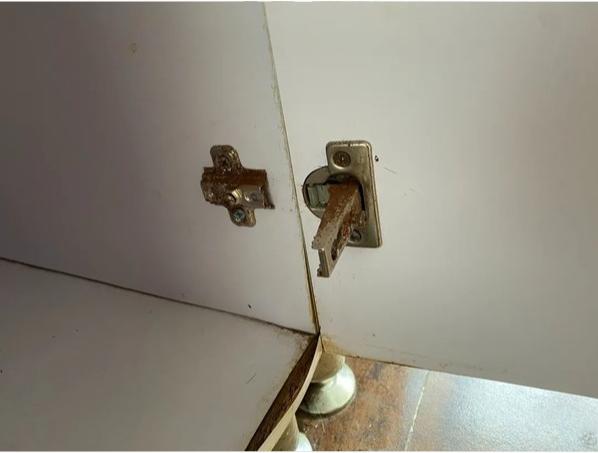
Hardware serves as the “joints” of a cabinet, but traditional cabinets are often equipped with cheap, low-quality hinges, slides, handles, and other components. After repeated opening and closing of cabinet doors and pulling out of drawers over time, these parts are highly prone to loosening, jamming, rusting, and falling off. They frequently malfunction after just 1–2 years of use, which not only compromises the user experience but also significantly shortens the overall lifespan of the cabinet.
2.4 Backward production technology, serious waste of boards
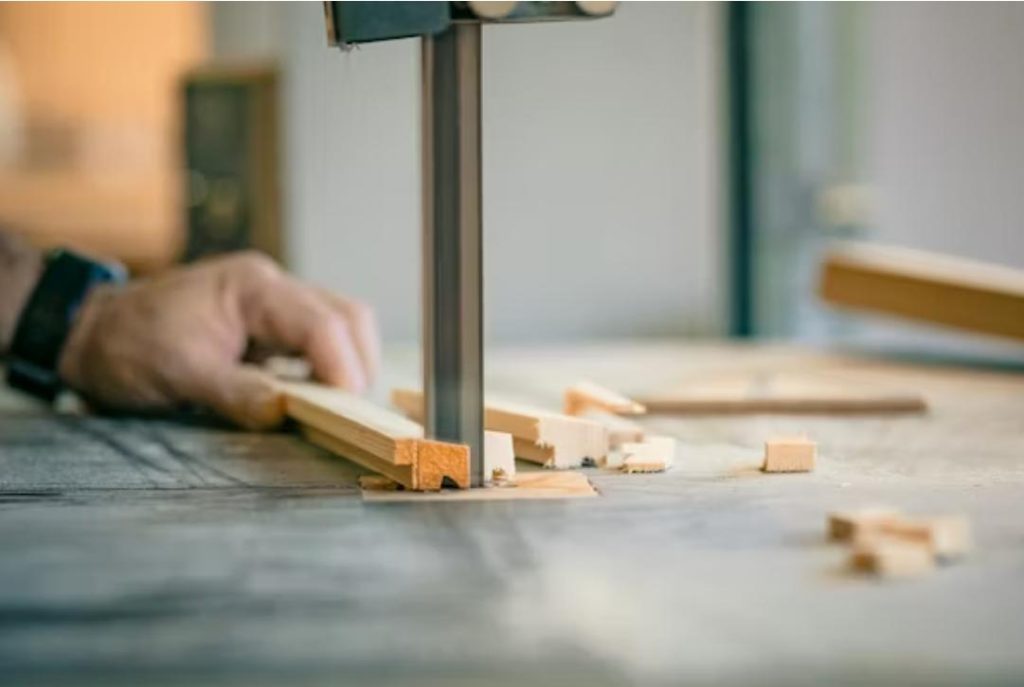
Small-scale cabinetry workshops often rely on manual, rough-and-ready cutting and edge-banding techniques. This results in low cutting precision and poorly sealed edges, which not only makes the edges of the panels prone to cracking and warping due to moisture but also leads to significant waste of panel scraps. This not only increases renovation costs but also fails to ensure the structural stability of the cabinets.
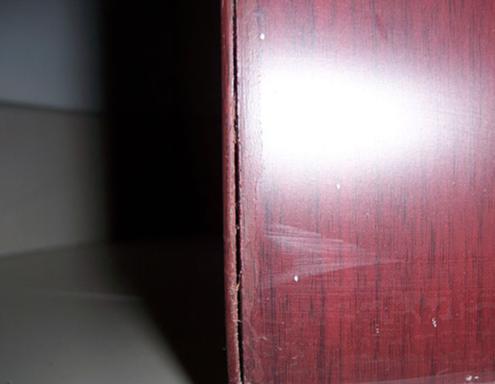
2.5 Irregular installation, easy to loosen and leak in later period
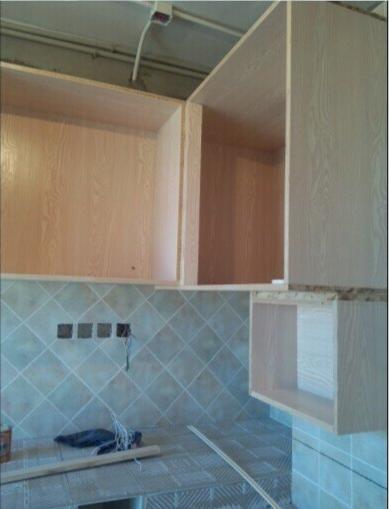
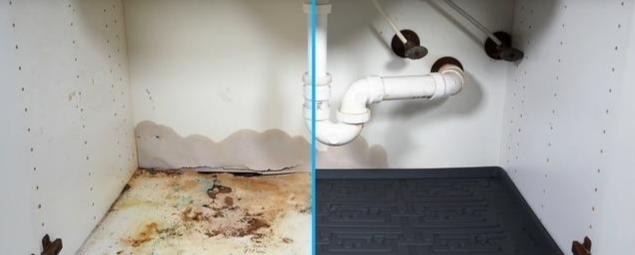
There are no uniform standards for cabinet installation. Installers rely solely on experience, often failing to perform leveling or waterproofing. This can lead to issues such as crooked cabinets, uneven gaps between cabinet doors, and poor sealing under the sink. Over time, cabinets may become loose, and water seepage and leaks in the countertops are common, significantly shortening the cabinets’ lifespan.
3.Ways to realize eco-friendly and practical custom cabinets
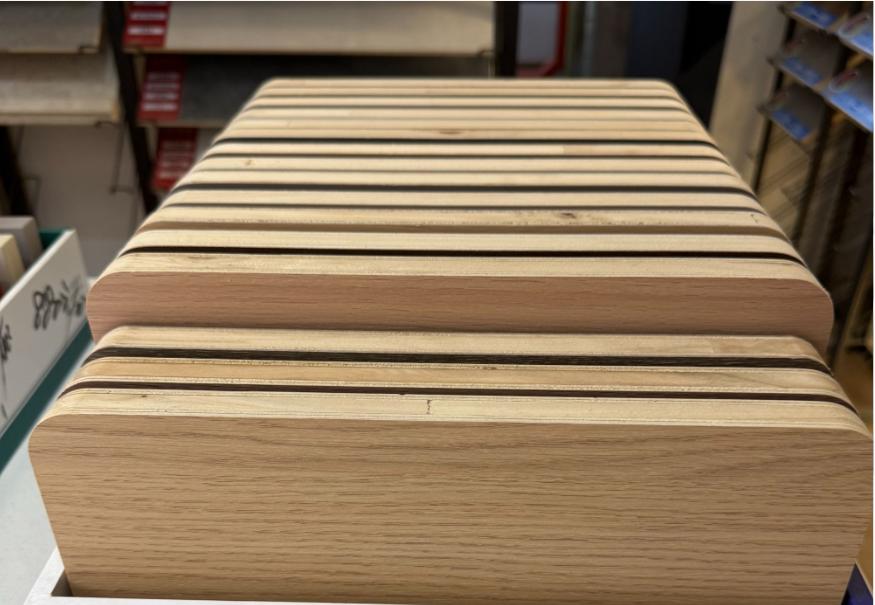
3.1 Choose ENF grade formaldehyde-free boards, matched with food-grade edge banding strips
We prioritize environmental protection from the very beginning by selecting ENF-grade formaldehyde-free panels—the highest environmental rating currently available in China. These panels have formaldehyde emissions approaching zero and do not release harmful gases even in high-temperature, humid environments, making them ideal for kitchen use; Combined with food-grade PUR edge banding and a seamless edge-banding process, the material is securely sealed to prevent formaldehyde evaporation. It is waterproof, moisture-resistant, and durable, balancing health and quality.
3.2 Customize L-shaped or U-shaped cabinet layout according to kitchen workflow, add drawers and pull-out baskets
Following the “wash-chop-stir-fry” golden cooking workflow, we customize L-shaped and U-shaped cabinet layouts based on the kitchen’s layout to optimize workflow; We move away from cabinets with only doors, incorporating drawers, corner pull-out baskets, and lift-up pull-out baskets in wall cabinets. This allows for organized storage of small kitchen tools, cookware, and seasonings, ensuring every inch of kitchen space is used efficiently and making it convenient and hassle-free to access items.

3..3 Equipped with damping hinges and buffer slides to improve convenience and durability
Featuring premium brand damping hinges and soft-close slides, cabinet doors open and close with a built-in cushioning effect, preventing noise and preventing the cabinet body from being bumped during operation. These high-quality hardware components offer strong load-bearing capacity, ensuring drawers slide smoothly without jamming. They are resistant to rust and deformation even with long-term use, significantly enhancing the convenience of cabinet use while extending the overall lifespan of the cabinets.
3.4 Adopt digital cutting technology to reduce board loss rate
We utilize fully automated digital cutting equipment and employ a precise CNC system to plan cutting layouts, maximizing material utilization and minimizing waste. At the same time, high-precision cutting ensures accurate panel dimensions, laying the foundation for subsequent edge banding and assembly. This results in a more stable cabinet structure and reduces the likelihood of warping over time.
3.5 Standardized installation with nail-free glue and level gauge to reduce construction errors
Throughout the installation process, a spirit level is used to ensure the cabinets are perfectly level. Eco-friendly, nail-free adhesives are used to secure fittings, and professional waterproof sealing strips are applied to the gaps between the sink and countertop to prevent water seepage and leaks. Our standardized installation procedures ensure uniform door gaps and a sturdy cabinet structure, eliminating potential issues such as loosening or warping during installation and enhancing the cabinets’ durability.
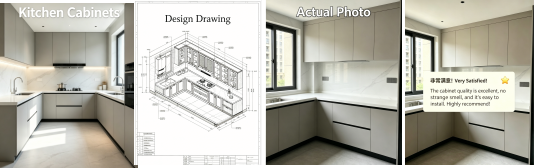
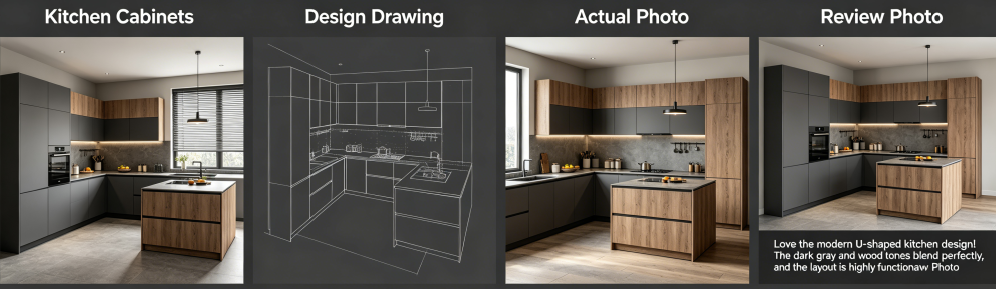
Custom cabinet cases of cooperative brands
Custom One
Custom Two
Summary
文字To strike a balance between environmental friendliness and practicality in custom cabinetry, the key lies in using eco-friendly materials as the foundation, user-centric design as the core, and meticulous craftsmanship as the guarantee: Prioritize ENF-grade formaldehyde-free panels to ensure environmental standards, customize layouts based on kitchen workflow to maximize space utilization, pair high-quality hardware with digital manufacturing processes to ensure durability, and use standardized installation to prevent future issues.
With years of industry expertise, PA’s custom cabinetry brand is committed to rigorously selecting eco-friendly base materials, original user-centric designs, and end-to-end digital production. By balancing health and sustainability, spatial efficiency, and aesthetic appeal, we precisely address the pain points of traditional cabinets, creating bespoke kitchen solutions that perfectly suit the unique needs of every home.
Related Products

Related Blogs
People Cases
People also ask
1. How long does custom cabinetry take?
It usually takes 4–6 weeks from measurement to installation, depending on material complexity and production schedule.
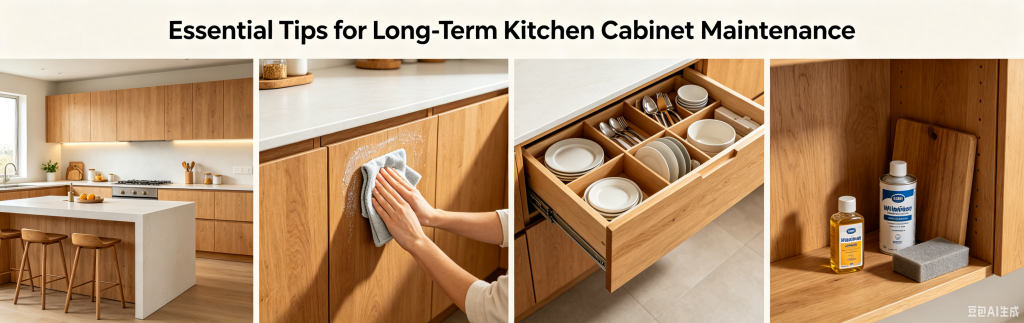
2. How to maintain kitchen cabinets?
Wipe surfaces regularly with mild soap and water, avoid harsh cleaners, and keep cabinets dry to prevent moisture damage.
3. How much do custom cabinets cost?
Prices range from $100–$400 per linear foot, based on materials, size, hardware and custom features.
Author introduction
Hello Customers,
My name is Taylor Gong, I’m the product manager of ZGSM Tech. I have been in the LED lights industry for more than 13 years. Good at lighting design, street light system configuration, and bidding technology support. Feel free to contact us. I’m happy to provide you with the best service and products.
Email: info@zgsm-china.com | WhatsApp: +8615068758483