
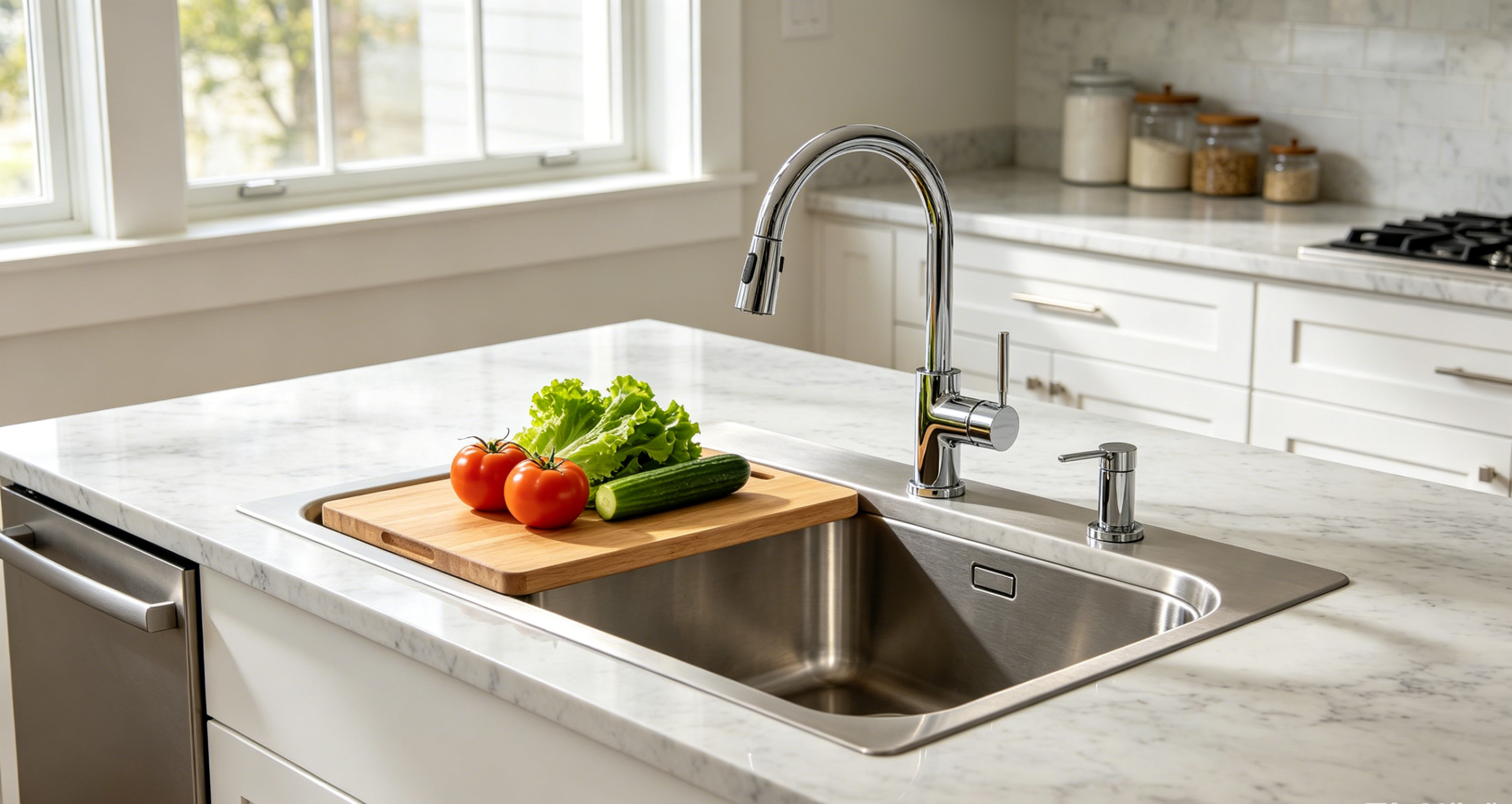
5 Common Mistakes When Choosing a Kitchen Sink and How to Avoid Them
Table of Contents
- 1. Introduction
- 2. Problem 1: Choosing the Wrong Material for Your Lifestyle
- 3. Problem 2: Ignoring Proper Sizing and Installation Requirements
- 4. Problem 3: Overlooking Long-Term Maintenance Costs
- 5. Problem 4: Neglecting Functionality and Ergonomics
- 6. Problem 5: Sacrificing Quality for Low Upfront Price
- 7. Our Premium Kitchen Sink Solutions
- 8. Summary
- 9. Related Products
- 10. Related Blogs
- 11. Related Cases
- 12. People Also Ask
- 13. Author Introduction
Introduction
A kitchen sink is the workhorse of any home in the U.S. and Canada, used for everything from washing dishes and preparing food to filling pots and cleaning vegetables. Yet, many homeowners rush into their sink purchase without considering critical factors, leading to years of frustration, costly repairs, and even decreased home value. When learning how to choose a kitchen sink, it’s essential to look beyond just aesthetics and focus on functionality, durability, and long-term value.
Today, we’re breaking down the five most common mistakes homeowners make when selecting a kitchen sink for their North American homes. From choosing the wrong material to ignoring proper sizing, these errors can turn your dream kitchen into a daily headache. We’ll not only explain why these mistakes happen but also provide practical solutions to help you make an informed decision that will serve your family for decades.
Problem 1: Choosing the Wrong Material for Your Lifestyle
Description of the Problem
One of the biggest mistakes when figuring out how to choose a kitchen sink is selecting a material that doesn’t match your cooking and cleaning habits. North American homeowners have a wide range of sink materials to choose from, including stainless steel, granite composite, fireclay, porcelain, and copper. Each material has its own strengths and weaknesses, and picking the wrong one can lead to scratches, stains, chips, and premature wear.
For example, a busy family that cooks frequently and uses abrasive cleaners might be disappointed with a porcelain sink, which is prone to chipping and scratching. On the other hand, a homeowner who values a quiet sink might find a thin-gauge stainless steel model too noisy when running water or washing dishes.
Our Solutions
The key to choosing the right sink material is to honestly assess your lifestyle and cooking habits. Here’s our expert guide to the most popular materials for U.S. and Canadian kitchens:
- Stainless Steel: The most popular choice for North American kitchens, stainless steel is durable, affordable, and easy to clean. We recommend 16-18 gauge stainless steel for residential use, as it’s thicker and quieter than thinner gauges. Look for sinks with a brushed finish to hide scratches and water spots.
- Granite Composite: Made from a mixture of granite stone dust and acrylic resin, granite composite sinks are extremely durable, scratch-resistant, and heat-resistant up to 536°F (280°C). They’re also quieter than stainless steel and come in a variety of colors to match any kitchen decor.
- Fireclay: A classic choice for farmhouse sinks, fireclay is extremely durable and resistant to stains, scratches, and heat. It has a smooth, glossy finish that’s easy to clean and maintains its appearance for decades.
- Copper: Copper sinks add a warm, rustic touch to any kitchen and have natural antimicrobial properties. They develop a beautiful patina over time, which adds character and hides scratches.
Our team of kitchen experts can help you evaluate your lifestyle and recommend the perfect material for your needs. We offer a wide range of high-quality sinks in all of these materials, designed specifically for North American homes.
Problem 2: Ignoring Proper Sizing and Installation Requirements
Description of the Problem
Another common mistake when learning how to choose a kitchen sink is not properly measuring your cabinet space or considering installation requirements. Many homeowners fall in love with a sink only to discover it won’t fit in their existing cabinets or requires expensive modifications to install.
In the U.S. and Canada, standard base cabinet sizes are 24″, 30″, 33″, and 36″ wide. However, not all sinks are designed to fit these standard sizes, and some require additional clearance for plumbing or garbage disposals. Additionally, different installation types (undermount, drop-in, farmhouse) have different requirements for cabinet support and countertop thickness.
Our Solutions
Before you start shopping for a sink, measure your existing base cabinet carefully, including the width, depth, and height. Make sure to account for any plumbing pipes or garbage disposals that will be installed under the sink.
When choosing a sink size, we recommend leaving at least 3-4 inches of countertop space on either side of the sink for food preparation and drying dishes. For most U.S. and Canadian kitchens, a 30″ or 33″ single-bowl sink or a 33″ double-bowl sink is the most practical choice.
It’s also important to consider the installation type:
- Undermount Sinks: Installed under the countertop for a seamless look, undermount sinks are easy to clean and give your kitchen a modern appearance. They require a solid surface countertop (granite, quartz, or solid surface) for proper support.
- Drop-In Sinks: The easiest and most affordable to install, drop-in sinks sit on top of the countertop and are held in place by clips. They work with any type of countertop material.
- Farmhouse Sinks: Also known as apron-front sinks, farmhouse sinks extend past the front of the cabinet and add a charming, rustic touch to any kitchen. They require special cabinet support and are typically larger and deeper than standard sinks.
Our team provides professional measurement and installation guidance to ensure your new sink fits perfectly in your kitchen. We also offer custom sink sizes for non-standard cabinet spaces.
Problem 3: Overlooking Long-Term Maintenance and Durability Costs
Description of the Problem
Many homeowners focus only on the upfront cost of a sink when figuring out how to choose a kitchen sink, without considering the long-term maintenance and durability costs. A cheap sink may seem like a good deal initially, but it can end up costing you more in repairs and replacements over time.
For example, a low-quality stainless steel sink may develop rust spots or dents within a few years, requiring expensive repairs or replacement. A sink with a poor finish may be difficult to clean and show every water spot and scratch, making your kitchen look dirty and worn.
Our Solutions
When evaluating a sink’s cost, it’s important to consider the total cost of ownership over its lifetime. A high-quality sink may cost more upfront, but it will last longer and require less maintenance, saving you money in the long run.
Here are some tips to help you choose a low-maintenance, durable sink:
- Look for sinks with a scratch-resistant finish, such as brushed stainless steel or granite composite.
- Choose a sink with a smooth, non-porous surface that resists stains and bacteria growth.
- Avoid sinks with sharp corners or crevices that are difficult to clean.
- Consider sinks with sound-deadening pads or coatings to reduce noise when running water or washing dishes.
All of our sinks are built to last, with high-quality materials and finishes that resist scratches, stains, and rust. We offer industry-leading warranties on all of our products, giving you peace of mind that your investment is protected.
Problem 4: Neglecting Functionality and Ergonomics
Description of the Problem
When learning how to choose a kitchen sink, many homeowners focus solely on aesthetics and forget about functionality and ergonomics. A sink that looks great but is difficult to use can make daily kitchen tasks a chore.
Common functional mistakes include choosing a sink that’s too shallow, which leads to splashing water all over the countertop, or a double-bowl sink with bowls that are too small to fit large pots and pans. Additionally, sinks that are installed too high or too low can cause back and neck strain, especially for taller or shorter homeowners.
Our Solutions
The best kitchen sinks are designed with functionality and ergonomics in mind. Here are some key features to look for:
- Bowl Depth: We recommend a bowl depth of 9-10 inches for most U.S. and Canadian kitchens. This depth is deep enough to prevent splashing but not so deep that it causes back strain when washing dishes.
- Bowl Configuration: Consider your cooking and cleaning habits when choosing between a single-bowl or double-bowl sink. Single-bowl sinks are great for washing large pots and pans, while double-bowl sinks are ideal for separating clean and dirty dishes.
- Offset Drains: Sinks with offset drains provide more usable space in the cabinet below, making it easier to install garbage disposals and store cleaning supplies.
- Integrated Accessories: Look for sinks that come with integrated accessories, such as cutting boards, colanders, and drying racks, which can increase functionality and save countertop space.
Our team can help you design a sink that perfectly fits your needs and lifestyle. We offer a wide range of functional and ergonomic sinks, including workstation sinks that turn your kitchen sink into a complete food preparation station.
Problem 5: Sacrificing Quality for Low Upfront Price
Description of the Problem
Perhaps the biggest mistake when figuring out how to choose a kitchen sink is sacrificing quality for a low upfront price. In the U.S. and Canada, there are many cheap sinks available on the market, but they are often made from low-quality materials and have poor construction.
These cheap sinks may develop leaks, rust spots, or dents within a few years, requiring expensive repairs or replacement. They may also have sharp edges, poor finishes, and inadequate sound-deadening, making them unpleasant to use.
Our Solutions
When it comes to kitchen sinks, you get what you pay for. A high-quality sink is an investment in your home that will last for decades and add value to your property. Instead of focusing on the lowest price, look for sinks from reputable manufacturers that use high-quality materials and have a proven track record of durability.
Here are some signs of a high-quality kitchen sink:
- Made from thick, durable materials (16-18 gauge stainless steel, high-density granite composite)
- Has a smooth, even finish that resists scratches and stains
- Features sound-deadening pads or coatings to reduce noise
- Has reinforced corners and edges to prevent bending and warping
- Comes with a comprehensive warranty
We are committed to providing our customers with the highest quality kitchen sinks at competitive prices. All of our sinks are manufactured to strict North American standards and undergo rigorous quality control testing to ensure they meet our high standards.
Our Premium Kitchen Sink Solutions
At [Your Company Name], we understand that choosing the right kitchen sink is a big decision. That’s why we offer a wide range of premium kitchen sinks designed specifically for U.S. and Canadian homes. Our sinks are made from the highest quality materials and feature innovative designs that combine functionality, durability, and style.
We offer:
- Stainless steel sinks in 16 and 18 gauge, with brushed and polished finishes
- Granite composite sinks in a variety of colors and styles
- Fireclay farmhouse sinks in classic and modern designs
- Copper sinks with hand-hammered finishes
- Workstation sinks with integrated cutting boards, colanders, and drying racks
In addition to our high-quality products, we also provide exceptional customer service, including free design consultations, professional measurement and installation guidance, and industry-leading warranties. Our team of kitchen experts is here to help you every step of the way, from choosing the perfect sink to installing it in your home.
Summary
Learning how to choose a kitchen sink doesn’t have to be overwhelming. By avoiding these five common mistakes, you can select a sink that will serve your family well for decades to come. Remember to choose a material that matches your lifestyle, properly measure your cabinet space, consider long-term maintenance costs, prioritize functionality and ergonomics, and invest in a high-quality product from a reputable manufacturer.
At [Your Company Name], we are dedicated to helping homeowners in the U.S. and Canada find the perfect kitchen sink for their needs. Whether you’re remodeling your kitchen or building a new home, our team of experts is here to provide you with the guidance and support you need to make an informed decision. Contact us today to schedule a free design consultation and explore our wide range of premium kitchen sinks.
Related Products
Pro Series 33″ Undermount Stainless Steel Sink
18 gauge, brushed finish, single bowl, sound-deadening pads
Granite Composite 30″ Drop-In Sink
Black color, scratch-resistant, heat-resistant, double bowl
Farmhouse Fireclay Sink 36″
White color, apron-front design, smooth glossy finish
Workstation Sink 33″
Stainless steel, integrated cutting board and colander
Copper Hand-Hammered Sink 30″
Antique finish, natural antimicrobial properties, single bowl
Related Cases
Kitchen Remodel in Toronto, Ontario
Custom stainless steel workstation sink installation
New Home Construction in Dallas, Texas
Granite composite sinks for 50-unit apartment complex
Farmhouse Kitchen Remodel in Vancouver, BC
Fireclay apron-front sink installation
Luxury Home Build in Los Angeles, CA
Custom copper sink for gourmet kitchen
Condo Renovation in Chicago, Illinois
Space-saving undermount stainless steel sinks
People Also Ask
Hello, I’m [Your Name]
Product Manager at [Your Company Name] with over 10 years of experience in the kitchen and bath industry. I specialize in helping homeowners in the U.S. and Canada find the perfect kitchen and bathroom products for their homes.
My team and I are dedicated to providing our customers with the highest quality products and exceptional customer service. We work closely with manufacturers to ensure that all of our products meet strict North American standards and are designed to withstand the demands of daily use.
If you have any questions about choosing a kitchen sink or any of our products, please don’t hesitate to contact us:
Email: info@yourcompany.com | Phone: 1-800-XXX-XXXX | Website: www.yourcompany.com